The most powerful systems tool available to a small business costs nothing, requires no software, and can be made in ten minutes. It is the checklist. And precisely because it is so humble, almost everybody underrates it, reaching instead for complicated systems to solve problems a piece of paper with five lines on it would have prevented.
I am not being folksy. The reason airline pilots and surgeons — people who are expert, experienced, and operating at the highest stakes — religiously use checklists is not that they are forgetful or unskilled. It is that they understand something most business owners have not yet accepted: human memory and attention fail under pressure, predictably, no matter how good you are. The checklist is not a crutch for the incompetent. It is a tool the most competent people use because they are honest about how attention actually works.
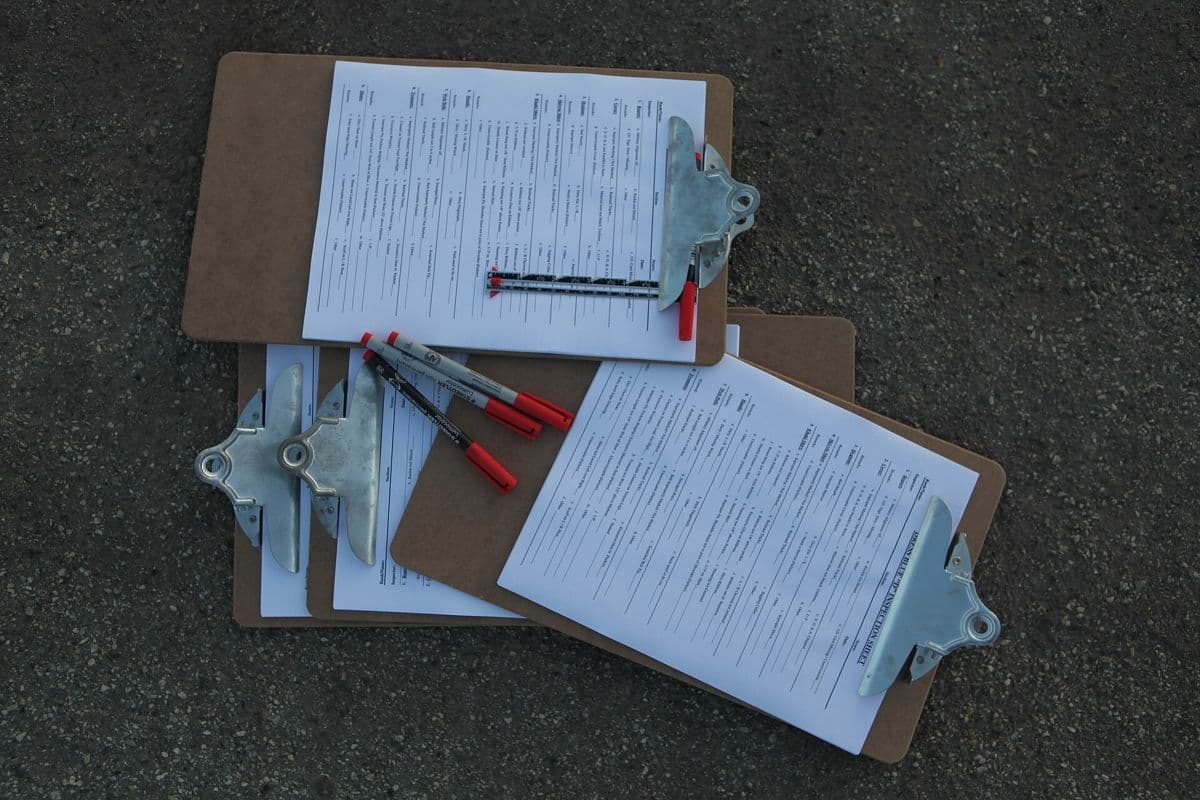
Why skill does not save you
The instinct is that experience makes checklists unnecessary — "I've done this a thousand times, I don't need a list." This is exactly backwards, and it is the dangerous part.
When you have done something a thousand times, it becomes automatic, and automatic is precisely when you skip a step without noticing. The error is never the hard part you concentrate on. It is the easy step you have done so often that your attention no longer bothers to land on it — the one you "obviously" would never forget, right up until the busy Friday when you do. Expertise protects you from the hard mistakes. It does nothing about the routine omissions, and routine omissions are most of what goes wrong.
A checklist catches exactly these. It does not insult your skill; it guards the gap your skill cannot, because the gap is not a skill problem. It is an attention problem, and attention is unreliable in everyone.
The mistake is never the hard step you concentrate on. It is the easy one you have done so often that your attention no longer lands on it. Skill cannot fix that. A checklist can.
What a good checklist is — and is not
A checklist is not a detailed procedure document. This is the most common mistake: people write a ten-page manual, call it a checklist, and then never use it because it is too heavy for the moment of action. A real checklist has the opposite quality — it is short, it is fast, and it is used during the task, not read once and filed.
The properties that make one work:
- Short. A handful of items, not thirty. It should fit on a card and be runnable in under a minute. If it is long, it captures more but gets used less, and an unused checklist catches nothing.
- Only the steps that get missed. Do not list everything. List the steps that are easy to forget and costly to skip. The obvious, unforgettable steps do not belong — they just lengthen the list and dilute it.
- Used at the moment, not from memory. The entire point is to externalise the remembering. A checklist you "basically know" and do not physically run is not doing its job; you are back to relying on the memory it was meant to replace.
- Phrased as checks, not essays. "Confirmed delivery address." "Took deposit." "Sent confirmation." Each item a quick yes/no, not a paragraph.
Where they earn their keep in a small business
Almost any repeated task with a few easy-to-miss steps is a candidate. The ones I see pay off most:
- Closing up. The end-of-day routine — cash counted and recorded, takings secured, doors and systems locked, tomorrow's first task noted. The classic place where one tired Friday omission becomes a real problem.
- Fulfilling an order. The steps between a customer paying and a customer satisfied — confirm details, take payment, record it, prepare, notify. Each easy, the whole only reliable as a sequence.
- Onboarding a customer or client. The things you must set up, send, or explain at the start of every new relationship. Miss one and you create a problem that surfaces weeks later wearing a disguise.
- Anything you only do occasionally. The monthly or quarterly task you do rarely enough to half-forget each time. Here the checklist replaces the painful re-figuring-out from scratch.
Why this is a systems tool, not a productivity hack
I file checklists under systems rather than productivity deliberately, because their real value is not personal efficiency — it is making a business less dependent on any one person's attention being sharp on any given day.
A business that runs on checklists is a business where the right things happen even when the person doing them is tired, new, distracted, or covering for someone else. The quality of the outcome stops depending on the quality of one person's memory in one moment. That is a system — something that produces a reliable result regardless of who is operating it and how their day is going. It is the same goal as documentation and decision logs, achieved with the lightest possible tool.
Start with one
Do not systematise everything. Pick the single routine task where a missed step has bitten you most recently, and write the five-line checklist that would have caught it. Put it where the task happens. Use it — physically, every time, even when you "don't need to."
Then add an item every time something slips through. Within a few months you will have a small set of checklists that quietly prevent your most common mistakes, built from your own experience, costing nothing. It is the highest return-on-effort systems work a small business can do, and it begins with a card and a pen.